
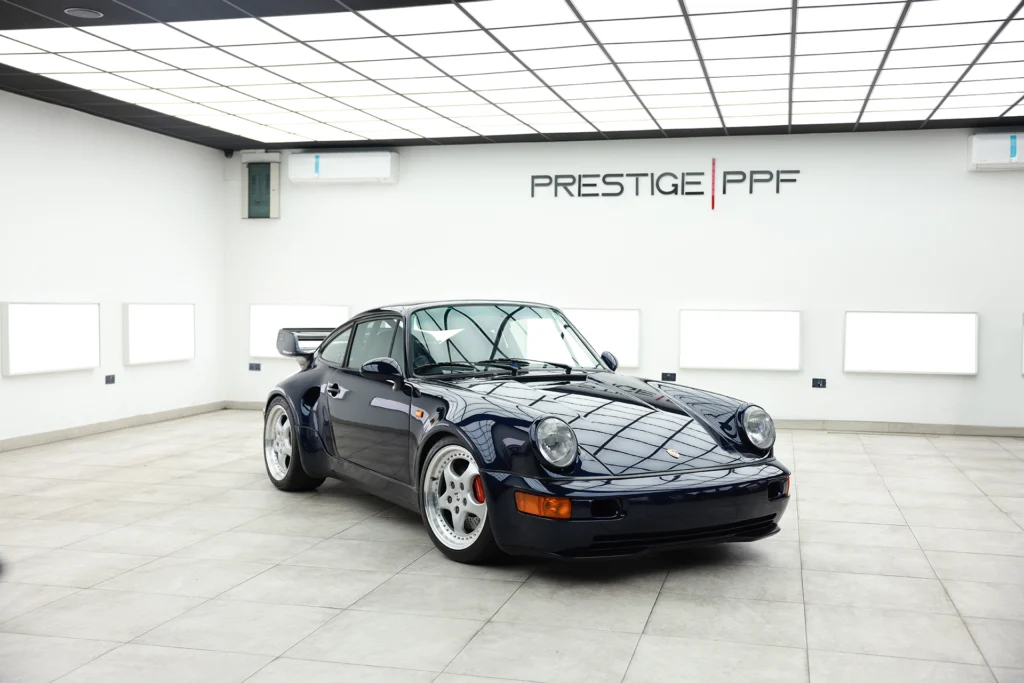
Preserve the Beauty of Classic Cars with Paint Protection Film
Classic cars are more than just vehicles, they are treasured pieces of history that deserve the highest level of care and preservation. Whether you own a vintage muscle car, a timeless two seater, or a meticulously restored collector’s vehicle, maintaining the flawless condition of its paintwork is essential to protecting both its appearance and value.
Previous Projects
Click on an image for further information




EXCELLENTTrustindex verifies that the original source of the review is Google. Fab experience. My 9 year-old Tesla Model X was in need of TLC. Daniel and Vik have a great business and were able to take my car through bodywork repairs, followed by full PPF, and ceramic coating in and out. My car looks amazing and people comment on its lovely condition and shine. Daniel is a great guy, very helpful, understanding and good with responses, despite managing the busy workshop floor and juggling staff and cars. Very happy. Recommended⭐️Posted on GoogleTrustindex verifies that the original source of the review is Google. Excellent service from start to finish. Communication was outstanding throughout the entire process, with regular updates and complete transparency at every stage. Nothing was signed off without my approval, which gave me real confidence that the team genuinely cared about delivering the best possible result. The agreed timescales were met exactly as promised, and the workmanship was exceptional. They efficiently removed a number of dings, scratches and dents before carrying out the PPF work, and the whole process was handled smoothly and professionally. The attention to detail was fantastic, and the end result has completely transformed the car. It genuinely feels like I have a brand-new vehicle again. I couldn’t be happier with the service I received and would highly recommend Prestige PPF to anyone looking for quality workmanship, professionalism and excellent customer care. Thank you to the whole team!Posted on GoogleTrustindex verifies that the original source of the review is Google. I recently had my Porsche GT3 Touring wrapped in satin PPF by Dan at Prestige PPF, and I couldn’t be happier with the result. The satin finish completely transformed the car, giving it a clean stealth look while still highlighting every curve and detail of the GT3 Touring. Dan’s attention to detail and workmanship were exceptional from start to finish. Every panel, edge, and contour was wrapped flawlessly, and the finish looks factory quality with no visible imperfections. You can immediately tell a huge amount of care and precision went into the installation. What I love most is that the satin PPF not only looks incredible but also gives the car real protection from stone chips, swirl marks, and everyday road wear. The finish is easy to maintain and keeps the car looking fresh and unique every time I drive it. Prestige PPF delivered an outstanding experience overall — professional service, excellent communication, and truly top-tier craftsmanship. If you’re considering satin PPF for a high-end car, I highly recommend Dan and the team at Prestige PPF.Posted on GoogleTrustindex verifies that the original source of the review is Google. I recently had my car treated at Prestige PPF and I couldn’t be happier with the experience. From the very first call, Daniel was incredibly helpful and knowledgeable — he really took the time to explain everything and made me feel confident in choosing them. When I arrived, the whole team was friendly, welcoming, and clearly passionate about what they do. The technicians are top-notch — true professionals who clearly know their craft inside out. Seeing so many high-end and supercars in their workshop being worked on gave me even more confidence that my car was in the right hands. The work itself was excellent. The graphene coating has come out beautifully, and the attention to detail is obvious. Everything was completed on time as promised, which is always a big plus. The location is also super convenient, easily accessible from the Great West Road. Overall, a fantastic experience — great people, outstanding workmanship, and a business that clearly takes pride in what they do. I highly recommend Prestige PPF and I’m already looking forward to going back soon to get my tinting done, and later PPF as well.Posted on GoogleTrustindex verifies that the original source of the review is Google. These boys rock - turned around a brand new DBX S with full exterior and interior PPF, plus ceramic coating, within a couple of days and at very short notice. Great quality work and terrific follow-up to ensure it was performing as expected a month or so later. I would use again, and recommend, which is the best test of a review. Great job guys, many thanksPosted on GoogleTrustindex verifies that the original source of the review is Google. My BMW 440i Coupé in Tanzanite Blue shone like a gem when I bought it new. Over three years of being parked on the street outside my house had taken it's toll on the paintwork, and a carless van driver had scraped the front bumper. I wanted to get the car looking like new again before it was too late. After some research I decided to have it fully detailed and then ceramic coated to make it easier to clean. Looking around the West London area I found Prestige PPF and gave them a call. Daniel was very helpful. He recommended their "Silver Detail" package and confirmed that their body shop could repair the bumper scrape. So I booked it in. The whole process took about a week. Firstly, the bumper repair was completed and the paint match is perfect. The stage-three polish has removed all the tiny swirl mark scratches left from me cleaning the car by hand. The inevitable stone-chips on the front have been touched in. Daniel recommended the new "graphene" based coating, which is a new option replacing ceramic coating. There are still one or two marks that are too deep to polish out but you really have to look hard for them. So the car now looks as good as new and should be easier to keep in good condition for a long time. Satisfied customer.Posted on GoogleTrustindex verifies that the original source of the review is Google. I don’t normally write reviews but had to have Prestige PPF covered. Daniel was great to deal with. He carefully explained the process and even helped to have the wheel arches repainted and PPF’d. A pre-inspection video was sent to me, to highlight any imperfections, prior to them commencing. I also forgot to book the post-check return appointment for them to check on their work. Instead, they were proactive to call me and book me in. On return, they checked PPF and small amendment made. All part of their post sales check. One year later and the car still looks amazing and of showroom quality ! I will be back for my next car !Posted on GoogleTrustindex verifies that the original source of the review is Google. What an absolutely amazing job, 🤩🤩🤩🤩🤩 Prestige PPF Have done to transform my car. Dan And his team couldn’t do enough to help make my dream come true! The attention to detail began by designing Some lovely gold livery on the bonnet roof and rear spoiler. They even organised the Gold Wheels, which was way over and above what I was expecting -thank you guys at Prestige! The quality of the PPF applied was perfect and was complimented by a first class service that involved picking the car up on a Transporter from the dealership and then delivering it back - fully prepared, cleaned and polished with ceramic coating. The guys at Porsche were impressed too! I strongly recommend Prestige PPF for a top quality service / providing a perfect product for PPF and detailing / livery. Prestige also made it a very easy process with a professional and courteous Service 🙏🏽🤩😁 Well done Dan ( who is always available on the phone For queries ) And your team at Prestige. I will be using you again!Posted on GoogleTrustindex verifies that the original source of the review is Google. Great service, top quality, new car :)Posted on GoogleTrustindex verifies that the original source of the review is Google. I've had a few of my cars PPF'd in the past and I was looking to try Prestige PPF as I had heard great things about them and I have to say that I was very impressed by Daniel and the Prestige PPF team. I brought my Tesla Model Y Juniper in for a PPF Coloured wrap in Racing Green and the result was unreal (Have a look at uploaded photos and videos). Daniel was in touch throughout the whole process and turned this around quickly with very competitive pricing! One thing you'll be able to see immediately is the passion that Daniel and the staff have for cars and providing the ultimate customer service. A big thank you to Prestige, they're definitely my new PPF partner of choice. I would highly recommend taking your car here and trust me you will be amazed by the results.Verified by TrustindexTrustindex verified badge is the Universal Symbol of Trust. Only the greatest companies can get the verified badge who has a review score above 4.5, based on customer reviews over the past 12 months. Read more
View examples of other vehicles that have been paint protected, wrapped or detailed by Prestige PPF: Porsche, BMW, Aston Martin, Lotus, Mercedes Benz, Lamborghini, Audi, Range Rover, McLaren
NEW: Ask us about Coloured & Satin PPF Options
Contact Us
Get in touch for more info, costs, make a booking or speak to a specialist about your Vehicle
Your privacy is our upmost priority. Your details will not be shared and your details will only be used to answer your enquiry.