
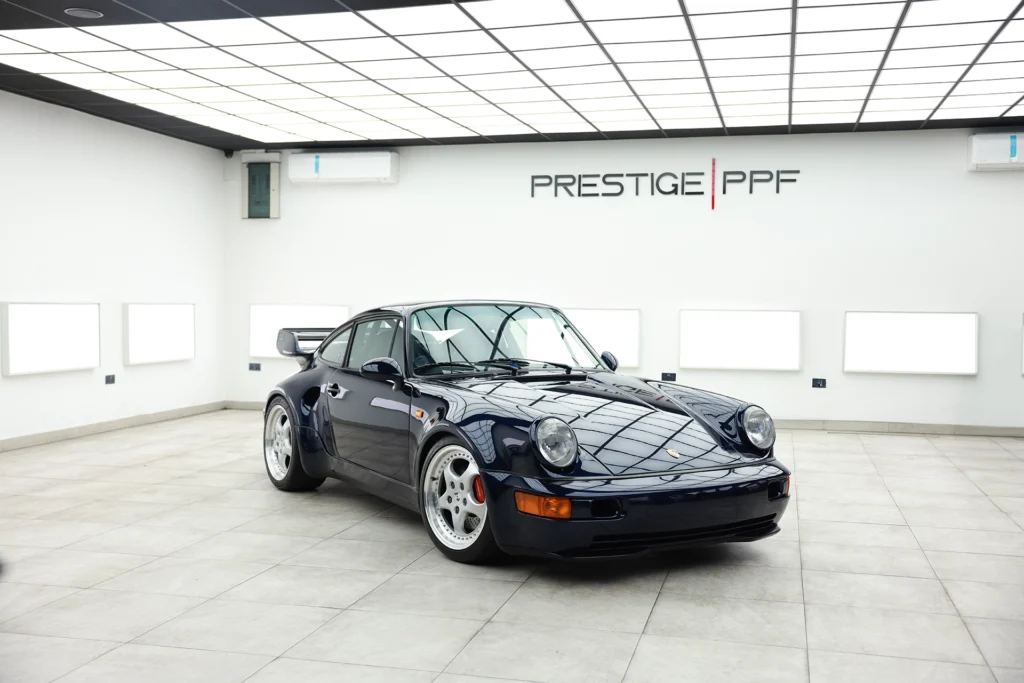
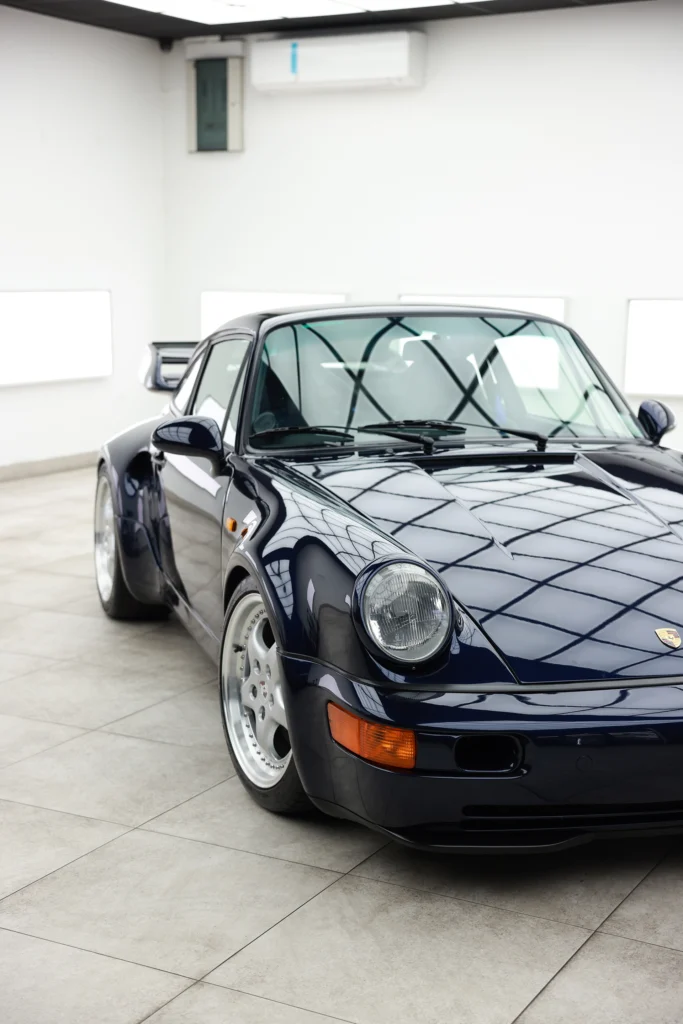
Here we’re spotlighting the Porsche 964 Turbo, a car that bridged the gap between classic Porsche engineering and the modern performance era. Launched as part of the 964 generation (1989–1994), this turbocharged marvel remains a coveted icon among enthusiasts, blending raw power with the elegant lines of Porsche’s heritage. Let’s explore what makes the 964 Turbo a standout, its legacy, and why it still turns heads over three decades later.
A New Era for Porsche
The 964 series marked Porsche’s evolution from the air cooled 911 lineage, introducing a blend of new technology and traditional design. The 1991 964 Turbo, specifically the 3.3-litre variant (later upgraded to 3.6 litres in 1993), was a pinnacle of this transition. With a turbocharged flat-six engine producing 320 bhp at 5,750 rpm and 450 Nm of torque, it accelerated from 0–60 mph in a blistering 4.8 seconds, topping out at 168 mph. This was no small feat for a car weighing around 1,450 kg, showcasing Porsche’s mastery of forced induction.
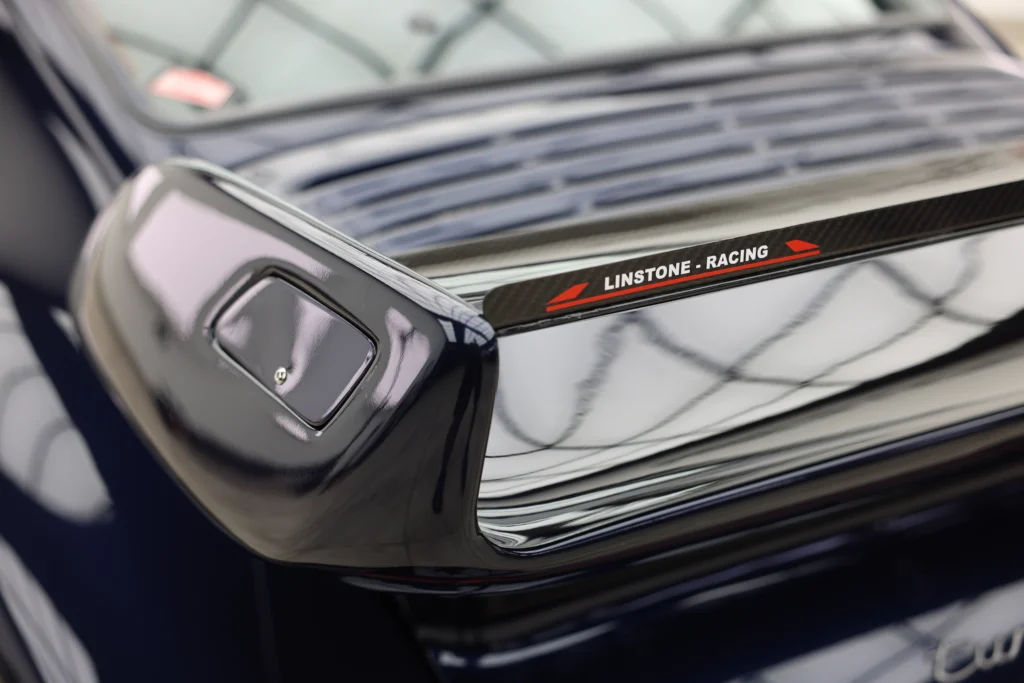
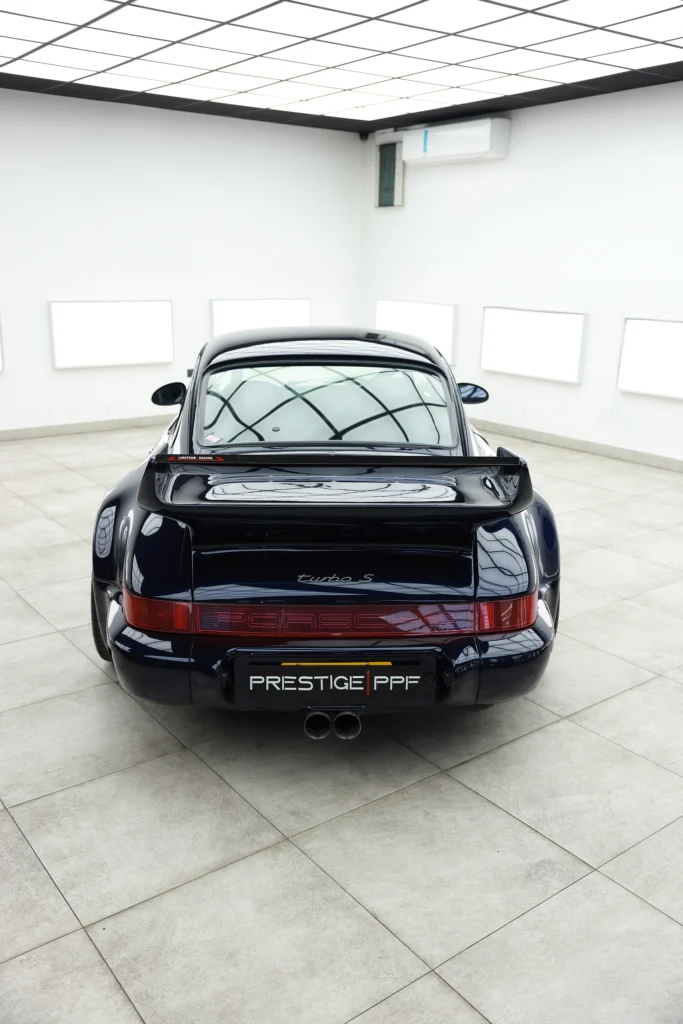
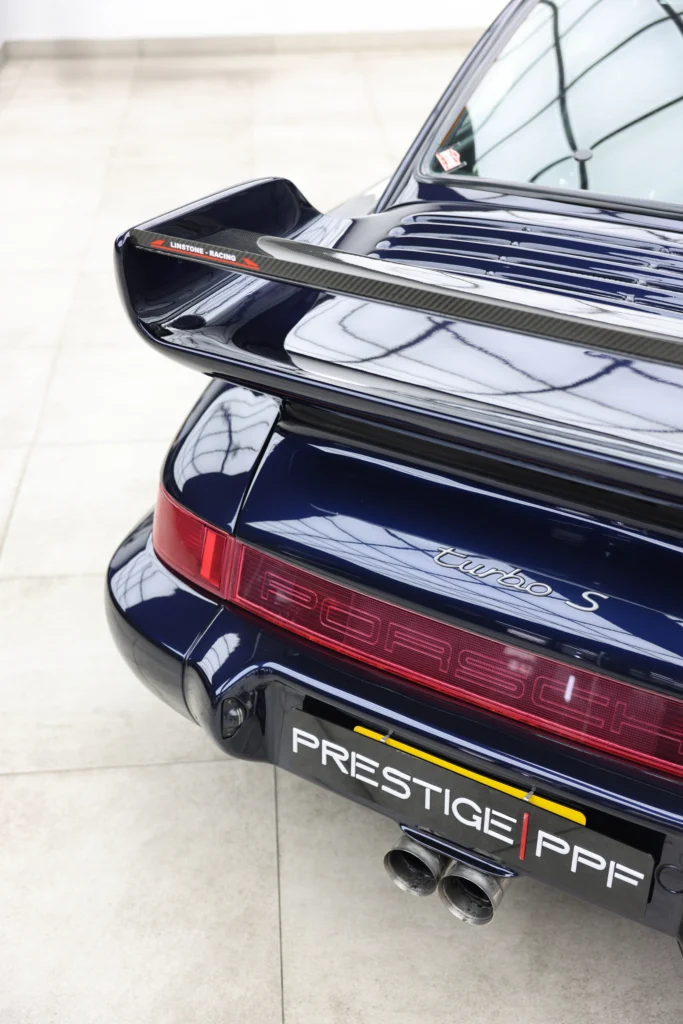
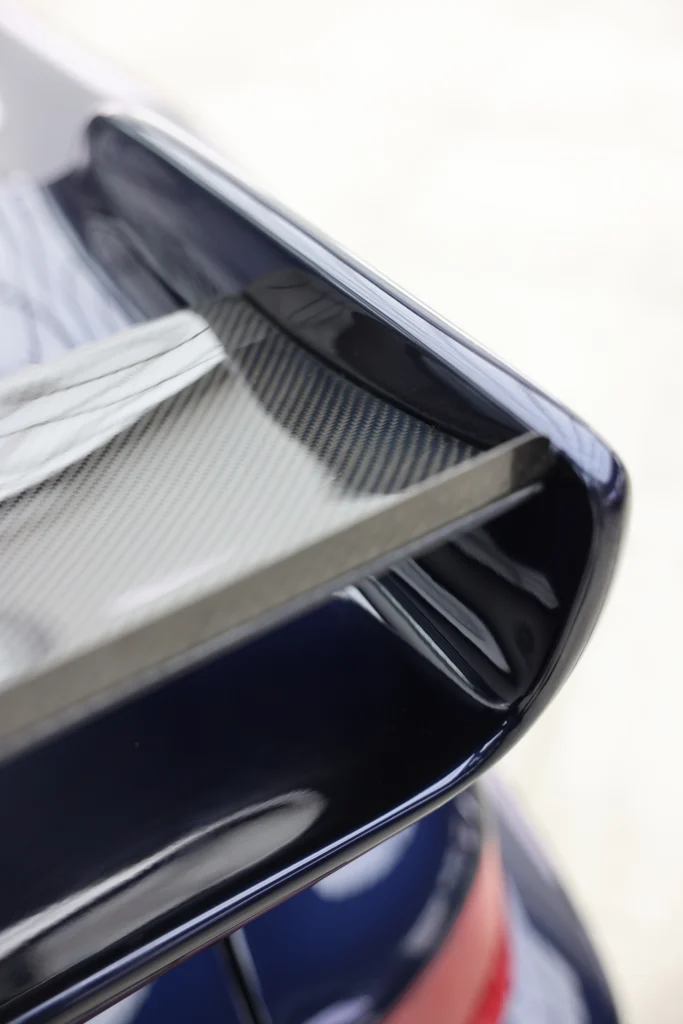
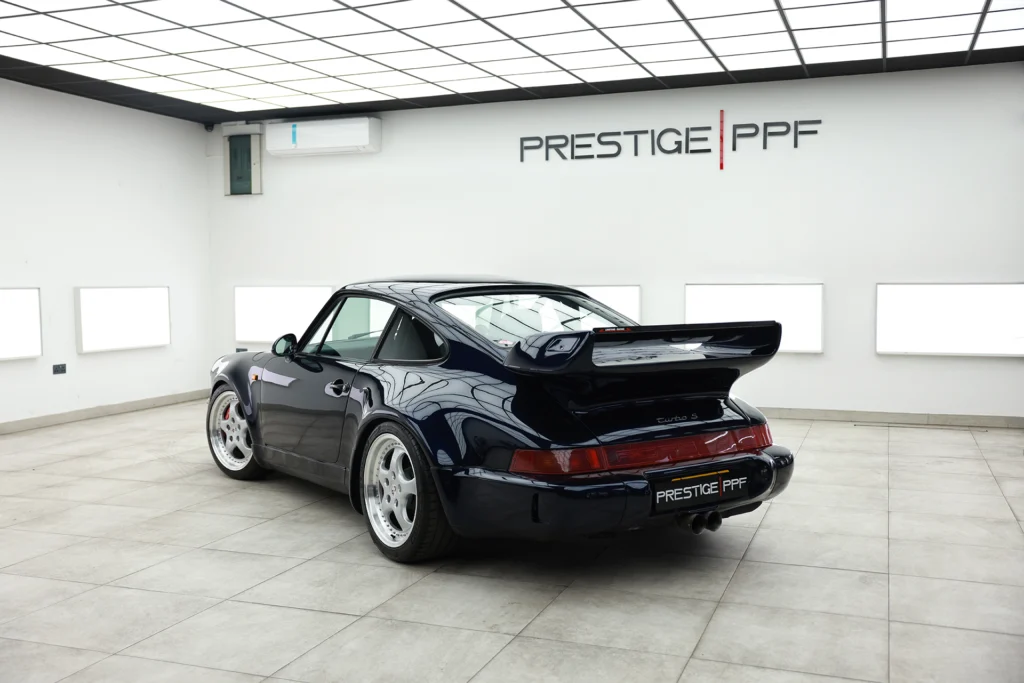
The 964 Turbo retained the classic 911 silhouette but introduced all-wheel drive (AWD) as standard, a first for the Turbo lineup. This innovation, paired with a widened rear axle and iconic “tea tray” rear wing, improved traction and stability, making it more approachable than its rear-wheel-drive predecessors. The interior featured a mix of analog gauges and early digital displays, reflecting the era’s technological cusp, while leather upholstery and a sporty steering wheel added a touch of luxury.
Design and Engineering Highlights
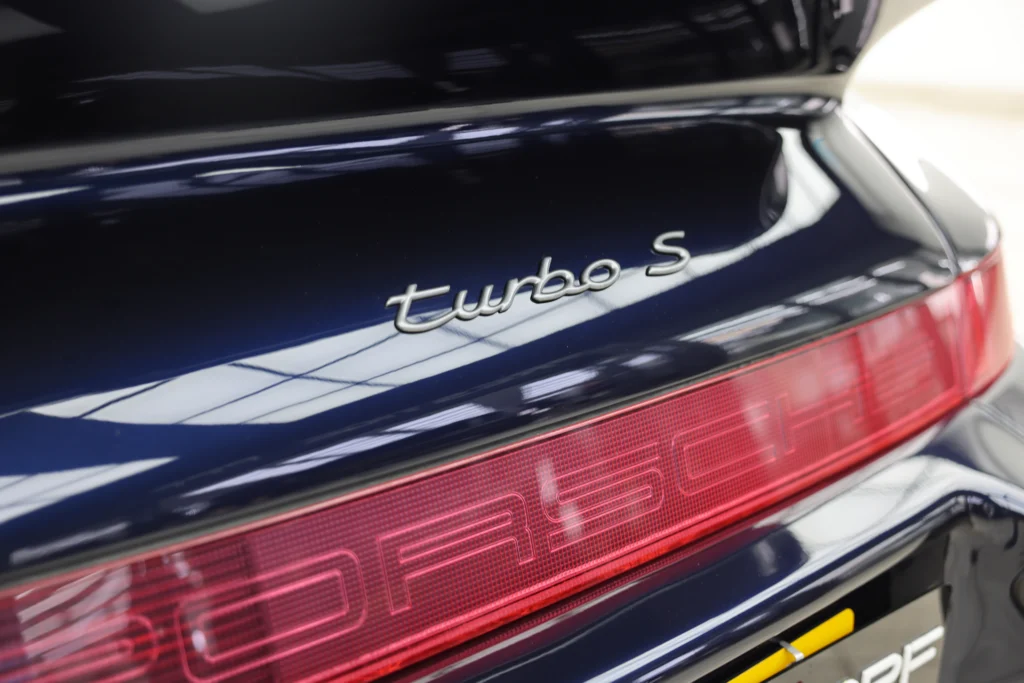
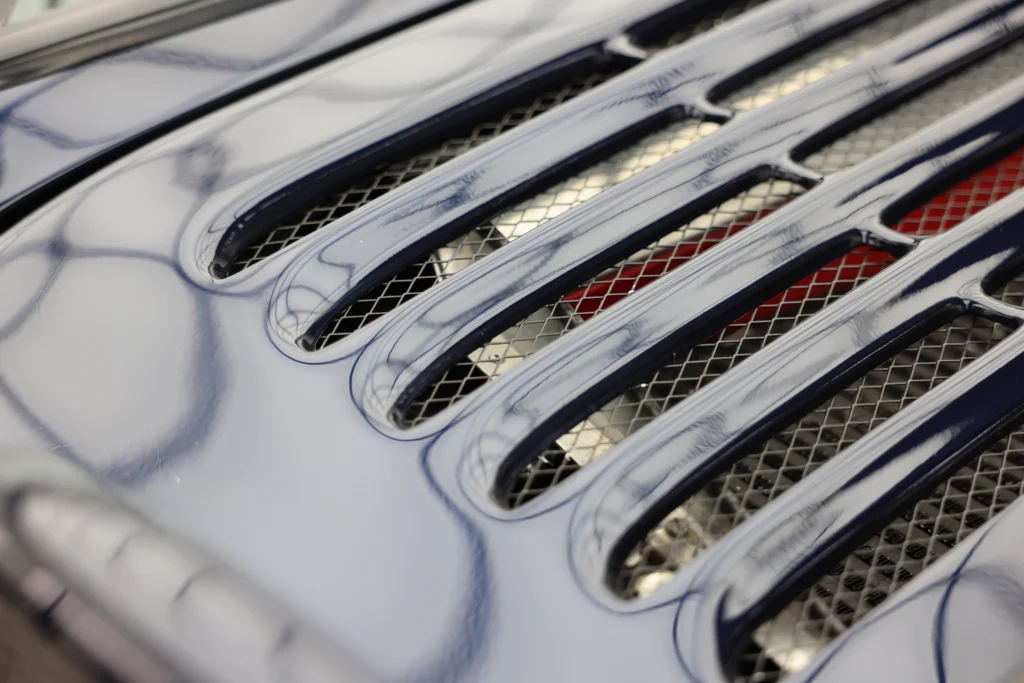
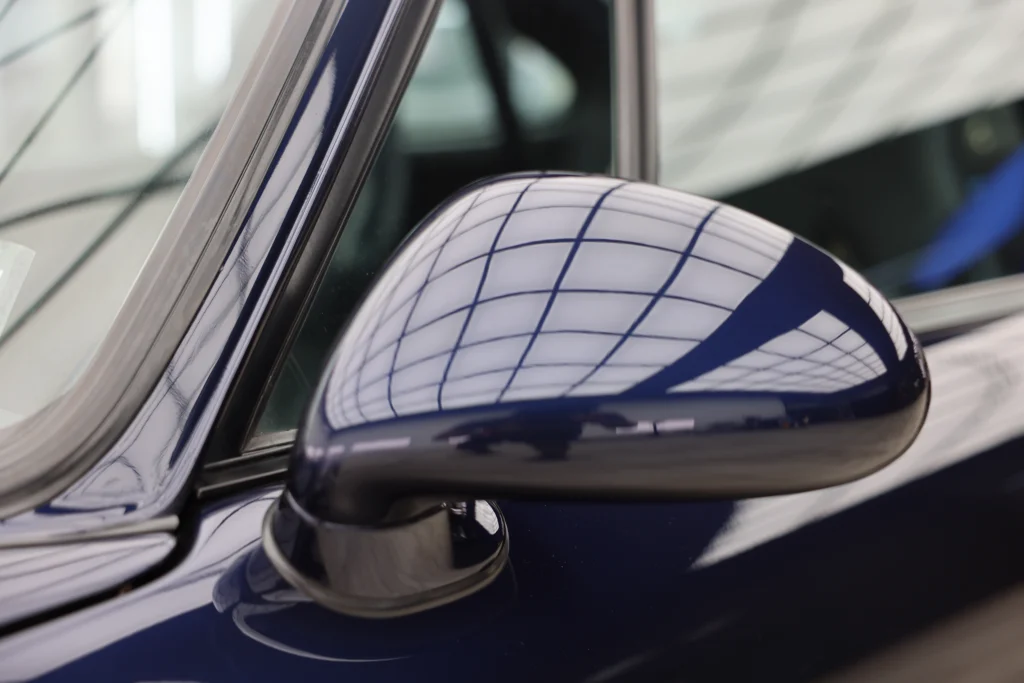
Visually, the 1991 964 Turbo is unmistakable. Its wide hips, pop-up headlights, and that massive rear wing gave it an aggressive stance, a design cue that screamed performance. Under the hood, the 3.3-litre engine, derived from the 930 Turbo, used a single KKK turbocharger with an intercooler, delivering that signature Porsche turbo lag followed by a thrilling power surge. The AWD system, with a 31:69 front-to-rear torque split, was a game-changer, offering better handling on wet or uneven surfaces , a nod to Porsche’s rally heritage.
Legacy and Collectibility
Only about 1,500 964 Turbos were produced in 1991, with many destined for the US and Japan markets, making it a rare find today. Its value has soared, with well-preserved examples fetching £150,000–£200,000 at auctions (e.g., Bonhams sales in recent years). The 964 Turbo’s significance lies in its role as a transitional model bridging the analog 930 era with the water cooled 993 generation. It’s a favorite among collectors who appreciate its raw, unpolished charm compared to the polished 996 onwards.
The car’s cult status is boosted by its appearances in 1990s car culture, from magazine covers to early video games. Its AWD innovation paved the way for future 911 Turbos, while its design influenced the 993’s aesthetics. For enthusiasts, owning a 964 Turbo is less about practicality and more about preserving a piece of Porsche’s soul.
Why It Still Matters
The 1991 Porsche 964 Turbo is more than a car, it’s a time capsule. It captures the end of an era when Porsche balanced tradition with innovation, delivering a machine that was as much art as engineering. For today’s drivers, it offers a connection to the past, a reminder of when performance was raw and unfiltered. Whether you’re a collector, a racer, or simply a dreamer, the 964 Turbo’s roar remains a call to the open road.
View examples of other vehicles that have been paint protected, wrapped or detailed by Prestige PPF: Porsche, BMW, Aston Martin, Lotus, Mercedes Benz, Lamborghini, Audi, Range Rover, McLaren